I checked every country, and there isn’t one where the spin of the Earth decides which way your toilet flushes.
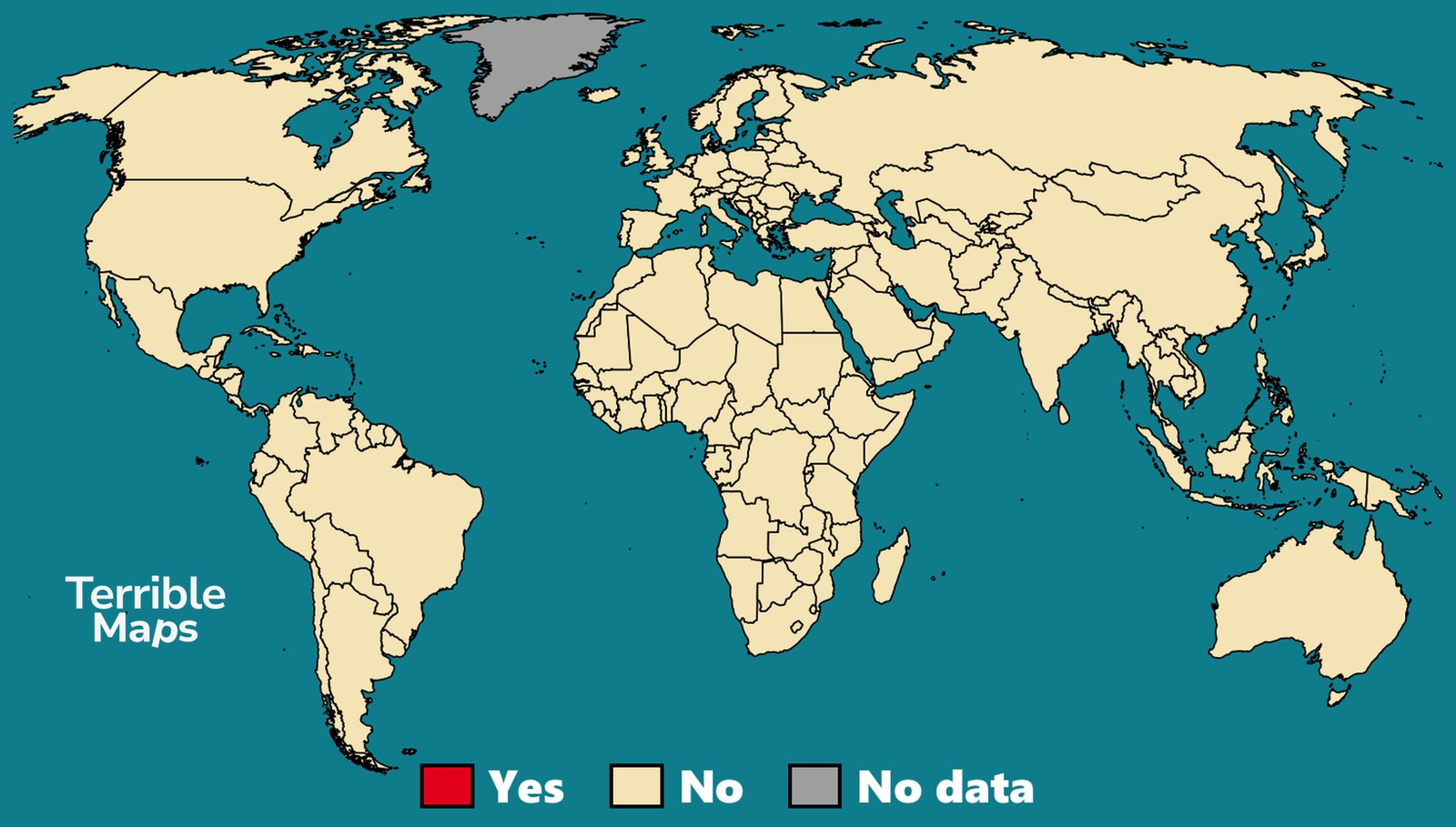
Does the Coriolis effect make toilets flush the other way in Australia?
No. A toilet swirls whichever way the holes under its rim point, and the maker chose that, so the same model flushes the same way in London and Sydney. A sink drains whichever way the water was already moving when you pulled the plug.
The Earth’s spin, the Coriolis effect, does push on the water, but at that size the push is about one ten-millionth as strong as gravity, so the bowl or the sink wins every time. That’s why nothing on the map is red.
The professor who waited a day to watch a plughole
In 1962 an MIT professor, Ascher Shapiro, set out to show that the Earth’s spin could win if nothing else got in the way. He built a round tank 2 metres wide, covered it against draughts, and filled it by swirling the water the wrong way on purpose.
Then he left it alone for 24 hours. When he pulled the plug, nothing happened for about a quarter of an hour, and then the water slowly started turning anticlockwise.
Three years later a team in Sydney did the same thing five times and got clockwise every time. So the Coriolis effect can decide which way your water drains, as long as your toilet is 2 metres wide, has been left alone for a day and takes 20 minutes to flush.
Does water really drain the other way across the equator?
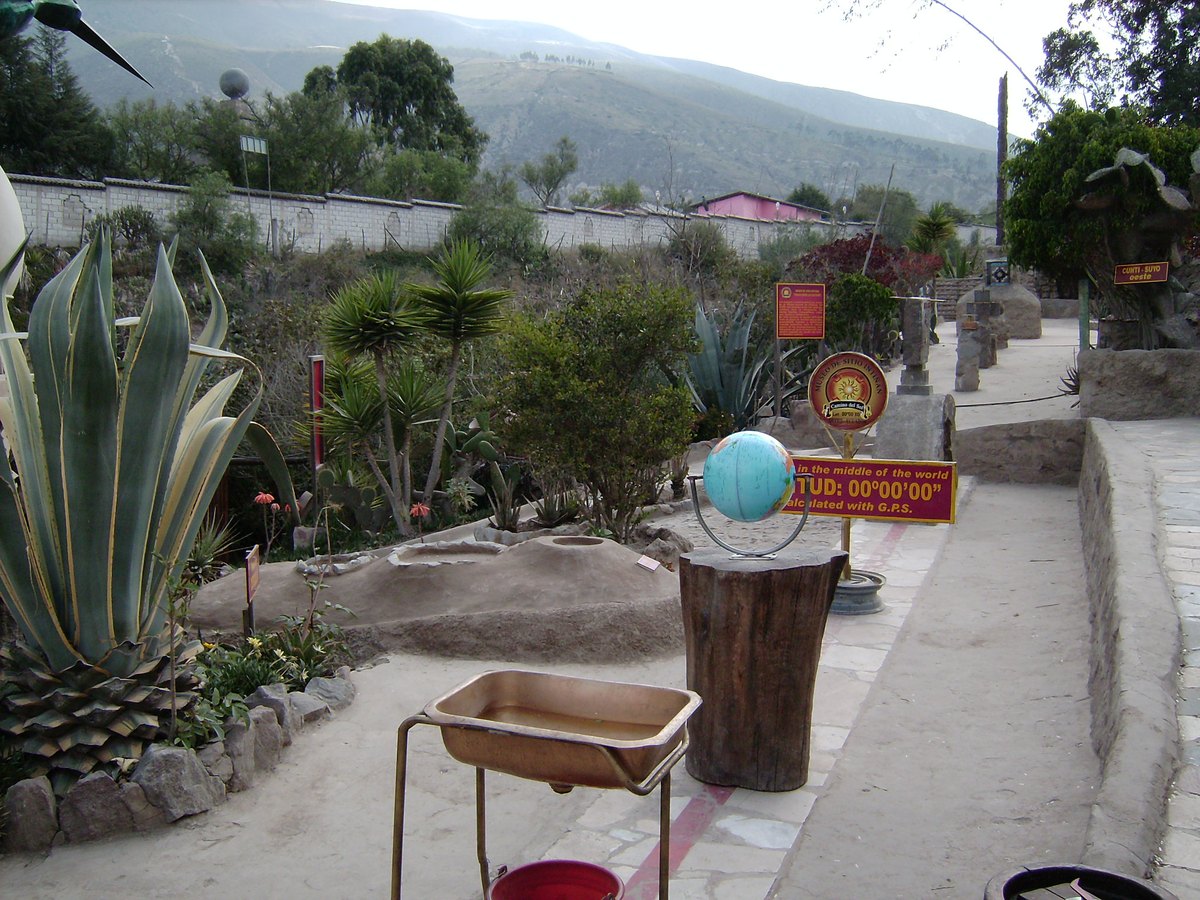
No, though tourists who stop at the equator in Kenya, Uganda or Ecuador are often shown that it does. A guide drains a basin a few metres north of the line and it swirls one way, then a few metres south and it swirls the other way, and on the line it goes straight down.
The guide starts the spin himself, by pouring the water in on one side of the plughole or by turning the basin as he carries it. He has also picked the one place on Earth where the effect he’s showing doesn’t exist, because the Coriolis effect is zero on the equator.
In Ecuador it’s done at a museum that says it sits on the real equator, and modern measurements say it doesn’t.
The TV presenter Michael Palin filmed the Kenyan version for his BBC travel series in 1992 and didn’t point out that it was a trick.
Bart’s $900 phone call
The idea that toilets flush the other way in Australia is the whole plot of a 1995 episode of The Simpsons. Lisa tells Bart about the Coriolis effect, so he reverse-charges a call to a boy in Australia to make him check, then forgets to hang up and lands the boy’s dad with a $900 bill.
Australia charges Bart with fraud, and at the American embassy a member of staff explains that its toilets have been fitted with a device that makes them swirl the correct American way.
If you like this sort of thing, see what each country calls a raccoon or the lake that was a Great Lake for 18 days.
Sources: Scientific American; Dr Karl, Australian Geographic; Mental Floss; MIT Technology Review, Shapiro; Wikipedia, Ascher Shapiro, Coriolis force, Ciudad Mitad del Mundo, Pole to Pole, Bart vs. Australia, Die Hand Die Verletzt; Irish Times; Phil Plait, Bad Astronomy; The Conversation; Simpsons Archive.
Share this map
More from Terrible Maps
 The bookTerrible Maps: Hilarious Maps for a Ridiculous WorldOut now in the UK, US, Canada and Australia.
 The shopShirts, hoodies, mugs and printsIncluding the Africa / Asia T-shirt.
There’s a new terrible map most days on Facebook and Instagram.